Watchdog Writers Group announces new class of fellows
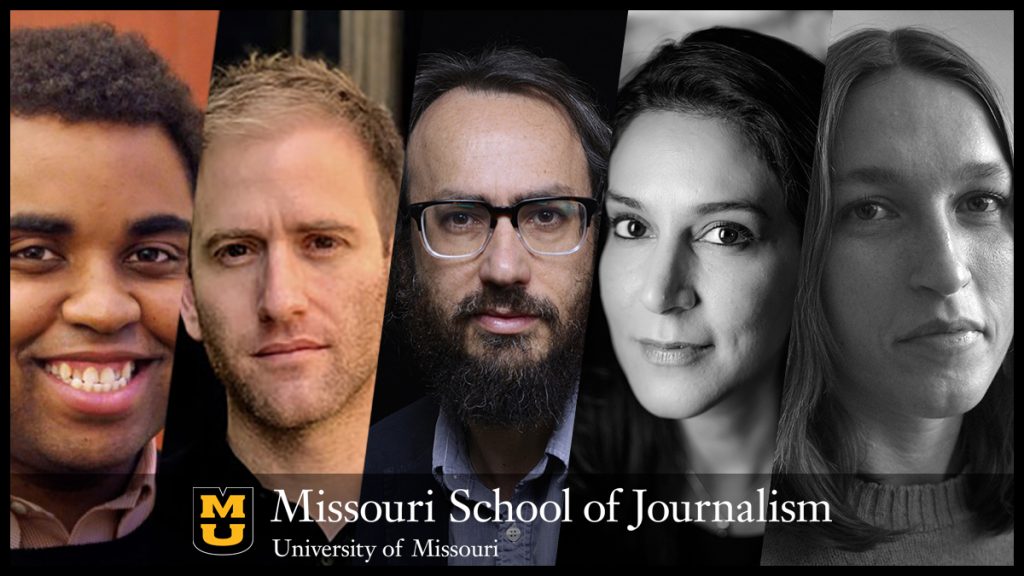
COLUMBIA, Mo. (May 7, 2026) — The Watchdog Writers Group at the Missouri School of Journalism has selected its newest class of fellows: five journalists, authors and investigative reporters who will develop deeply reported nonfiction books across a range of impactful subjects.
In addition to annual $50,000 stipends and access to a network of professional support throughout the two-year fellowship, the fellows — including two Pulitzer Prize winners — will also receive support from Missouri School of Journalism students as they conduct research and reporting for their books.
“This year’s class of WWG fellows will break new ground and reveal hidden truths about the most important issues facing our country,” said Christopher Leonard, director of the WWG. “They will write about deindustrialization, the broken health care system, the long and continuing history of racial housing segregation, America’s overseas military interventions, corporate power, and the rise of the neoliberal political order. I can’t think of a more important set of issues or a better group of authors to tackle them.”
The fellows are:
- Emmanuel Felton, a journalist and author of “The Search for Black Mecca” who served as The Washington Post’s first race and ethnicity reporter.
- Brian Goldstone, a journalist and author of “There is No Place for Us: Working and Homeless,” which earned him the 2026 Pulitzer Prize in General Nonfiction.
- Dan Kaufman, a journalist and author of “The Fall of Wisconsin: The Conservative Conquest of a Progressive Bastion and the Future of American Politics.”
- Azmat Khan, a Pulitzer Prize-winning investigative reporter with acclaimed investigative projects for The New York Times, New York Times Magazine and FRONTLINE.
- Olivia Paschal, a journalist, writer and historian who is completing a doctoral degree in history at the University of Virginia.
Established in 2019 with grants from the 11th Hour Project of the Schmidt Family Foundation, the WWG’s dual mission of financially supporting nonfiction authors while offering hands-on learning opportunities to journalism students continues to receive support from Missouri-based philanthropic funds. The 11th Hour Project, the William T. Kemper Foundation, the Banjo Fund and the Wolbach Family Foundation all support the program.
The fellows and their projects
Emmanuel Felton
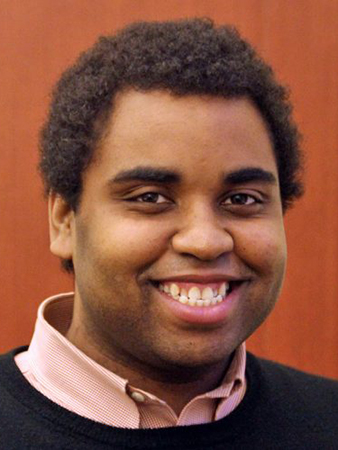
Felton produced celebrated investigative reporting for The Hechinger Report and BuzzFeed News before becoming a race and ethnicity reporter at The Washington Post, where he contributed to Pulitzer Prize-winning reporting.
His first book, “The Search for Black Mecca,” is due to be published early next year, but he is already working on his second book, which will explore the complex impacts of elements of the Civil Rights Act over the course of generations.
“My second book is about a paradox I’ve been wrestling with for years: the Fair Housing Act of 1968 opened real doors for Black families, but it also helped hollow out the churches, schools, and businesses that had held Black communities together under segregation,” Felton said. “This fellowship gives me the time I need to actually report that story out across cities, suburbs, and small towns. I’m excited to pursue this work with the help of student journalists and the input of the other brilliant fellows.”
Felton is an adjunct assistant professor at Hunter College and previously served as a Spencer Fellow at Columbia University.
Brian Goldstone
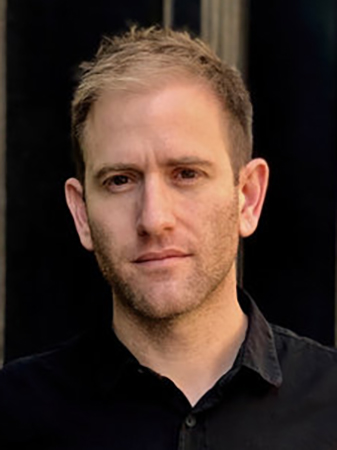
Goldstone’s previous book, “There is No Place for Us: Working and Homeless,” won the 2026 Pulitzer Prize in General Nonfiction, was a finalist for the Carnegie Medal for Excellence in Nonfiction and was named one of the 10 Best Books of 2025 by The New York Times and The Atlantic.
Now, he is investigating how gaps in America’s mental health care system can result in inadequate care for those who need it most.
“The Watchdog Writers Group offers something that has become increasingly endangered: the material and institutional resources to report a story with the rigor, depth, and texture it deserves,” Goldstone said. “As I embark on a book project following families as they navigate America’s mental health care gauntlet, only to be shunted, again and again, through a system that routinely fails them, this kind of support is indispensable. And I’m especially excited about the collaboration with a student journalist. That feels like one of the most meaningful parts of this fellowship.”
This won’t be Goldstone’s first experience with a program combining elements of student mentorship and research; he previously participated in Columbia University’s Society of Fellows in the Humanities.
Dan Kaufman
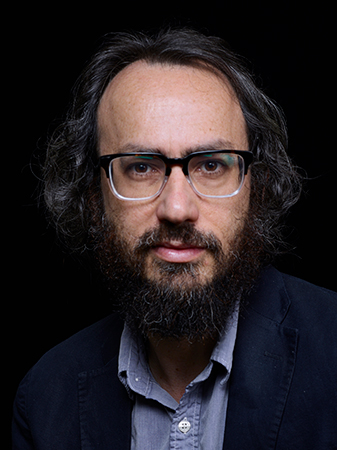
Kaufman will once again analyze the convergence of politics, socioeconomics and place after his first book, “The Fall of Wisconsin: the Conservative Conquest of a Progressive Bastion and the Future of American Politics,” garnered acclaim for its portrait of a pivotal period of change in Wisconsin.
Kaufman is returning for the second year of his fellowship to zero in on the origins of the Rust Belt. His book will follow the history of five families navigating deindustrialization, economic upheaval and an altered political landscape.
“I am thrilled to be a part of the Watchdog Writers Group next year, which will enable me to continue working on my next book, “American Dust,” a character-driven history of the Rust Belt,” Kaufman said. “The fellowship will also allow me to have the help of a student researcher who will work with me to find sources, data and other documentation to support this chronicle of a fifty-year catastrophe that has transformed the politics and economy of the United States.”
His career has revolved around uncovering facts since the beginning; he got his start as a fact checker at The New Yorker.
Azmat Khan
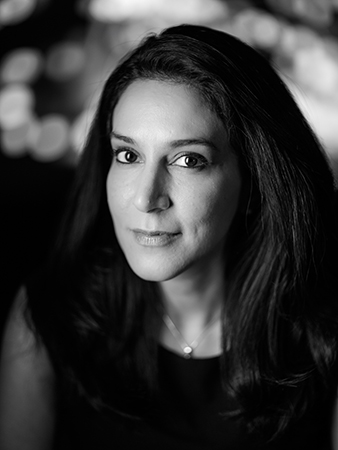
Khan’s career in investigative journalism has centered on what she describes as “the human cost of war.” A key part of the New York Times team that won a Pulitzer Prize in International Reporting in 2022, Khan’s work has exposed the untold stories of war’s ground-level impacts. Her work has shed light on the causes behind civilian deaths, revealed corruption and spurred government action.
Khan’s first book will extend her focus on human costs to modern aerial warfare conducted or supported by the U.S.
“Whether people realize it or not, we live in a world where opinion increasingly drives the news cycle,” Khan said. “It can be so hard to find support for investigative journalism that challenges power and addresses some of the most contested and consequential subjects through rigorous reporting, but the Watchdog Writers Group is a rare refuge. I am thrilled to be a part of this community, to get support to ensure this important work in the public interest continue and to invest in the next generation of great investigative journalists.”
Khan is the Patti Cadby Birch Assistant Professor of Journalism at Columbia University, where she also serves as director of the Simon and June Li Center for Global Journalism.
Olivia Paschal
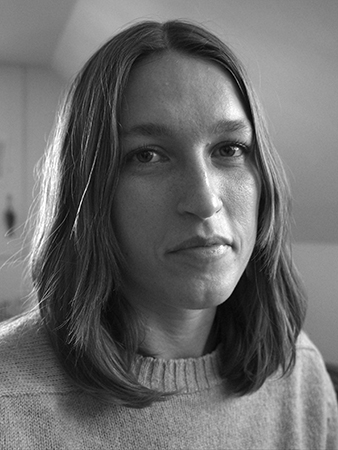
Paschal’s work covers Arkansas’ corporate, socioeconomic and political landscape and has appeared in the New York Review of Books, The American Prospect, The Nation, The Atlantic and The Guardian.
In her first book, she will highlight the Ozarks’ role in shaping the modern economy by incubating businesses like Walmart and Tyson Foods, which went on to become massively influential global corporations.
“The Watchdog Writers Group fellowship will afford me space, time, and flexibility—including, critically, the geographical flexibility to relocate to Arkansas—to see this book project through and to ensure that it is as deeply researched, engaging, and full as possible,” Paschal said. “I’m deeply grateful for the opportunity to be in conversation not just with the other fellows, but with students in the earliest stages of their reporting and researching careers.”
Paschal previously served as an editorial fellow at The Atlantic and is a doctoral candidate at the University of Virginia.
Updated: May 7, 2026