Laiba Khan Zai named first Youngblood Investigative Fellow, extending legacy of principled international editor
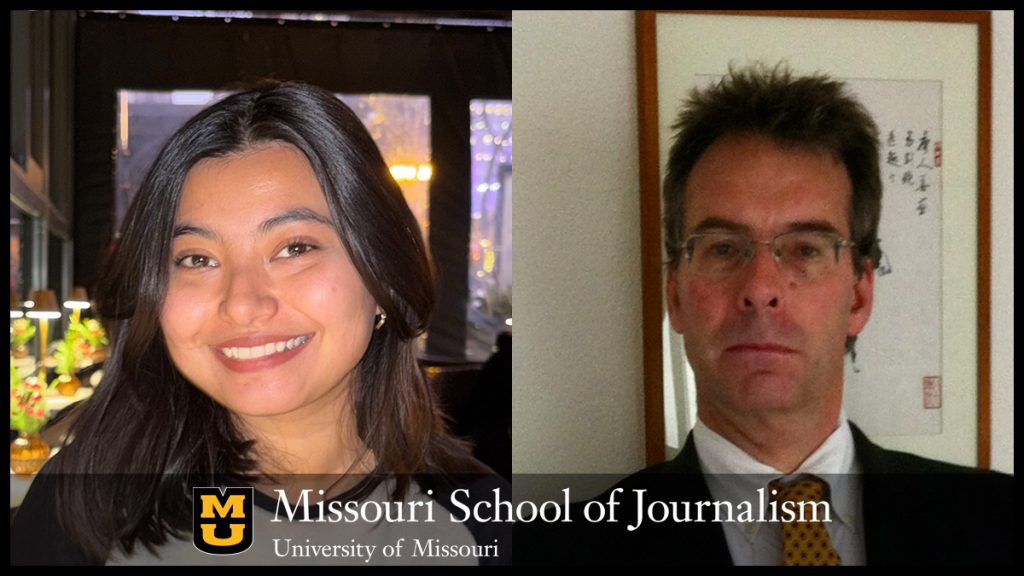
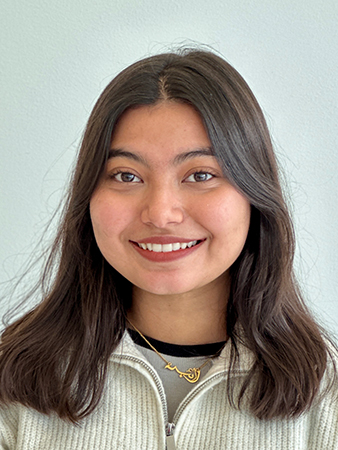
COLUMBIA, Mo. (Sept. 3, 2026) — International master’s student Laiba Khan Zai is the first recipient of the Missouri School of Journalism’s Robert F. Youngblood Investigative Fellowship, which will support her work on long-term investigative and data-driven projects with a $9,000 stipend and advanced training.
Named for journalist and editor Robert F. Youngblood, MA ’15 — and endowed by his widow, Ursula Liu — the yearlong fellowship provides support for complex, multifaceted stories that can otherwise be difficult to complete within the structure of a school year.
For Zai, the opportunity follows another fellowship with the School’s Reynolds Journalism Institute, which saw her spend the summer building accessibility and engagement tools at the Times Union in Albany, New York. And in addition to writing for the Columbia Missourian, the School’s community newspaper, she is also a student researcher with the Watchdog Writers Group (WWG), where she is assisting Pulitzer Prize-winning WWG Fellow Azmat Khan with her book about American aerial warfare.
“Laiba continues to take full advantage of her opportunities at the School of Journalism, and her strong work ethic and creativity make her an excellent choice as the first Robert F. Youngblood Fellow,” said David Kurpius, dean of the School of Journalism. “I look forward to seeing what she puts together over the next year.”
Before coming to Mizzou, Zai gained experience in writing, producing and news management for publications in her home country of Pakistan. It was there that she first developed a taste for the sorts of slower-burn projects that she hopes to pursue through the fellowship.
“Back when I was working in Pakistan, I was focused more on dailies,” she said. “And while I enjoyed them, there were some projects that I got more time to do so that I could bring more nuance and context into that specific piece. That’s what got me into investigative reporting. I really appreciate the fact that I have this long duration of time so that I get to work on more detail, more nuance. And there’s going to be a lot of data involved, too.”
Zai will work under the mentorship of Elizabeth Lucas, the Houston Harte Chair in Journalism. Over the course of the year, she will also take Lucas’ data journalism class alongside an investigative reporting class from Professor Mark Horvit, giving her a strong foundation in the fellowship’s two areas of emphasis.
The fellowship aligns well with Zai’s goal of pursuing investigative reporting as a career, one that she hopes also intersects with her interest in law and the legislative process.
It aligns, too, with the principles of its namesake, who died in 2016 and left behind a legacy of critical thought, service and devotion to the fact-finding mission of journalism.
Youngblood, old soul
When Robert F. Youngblood tackled a project, he believed in doing it thoroughly. His son Henry — one of three children, the others Ruihai and Anita — remembers him taking six months to write an article about digitizing vinyl record collections to ensure he had his facts straight.
Today, that devotion to depth, precision and truth lives on at the Missouri School of Journalism through the Robert F. Youngblood Fellowship. And while not intentional, the choice of an international student also mirrors the global nature of the Youngblood family.
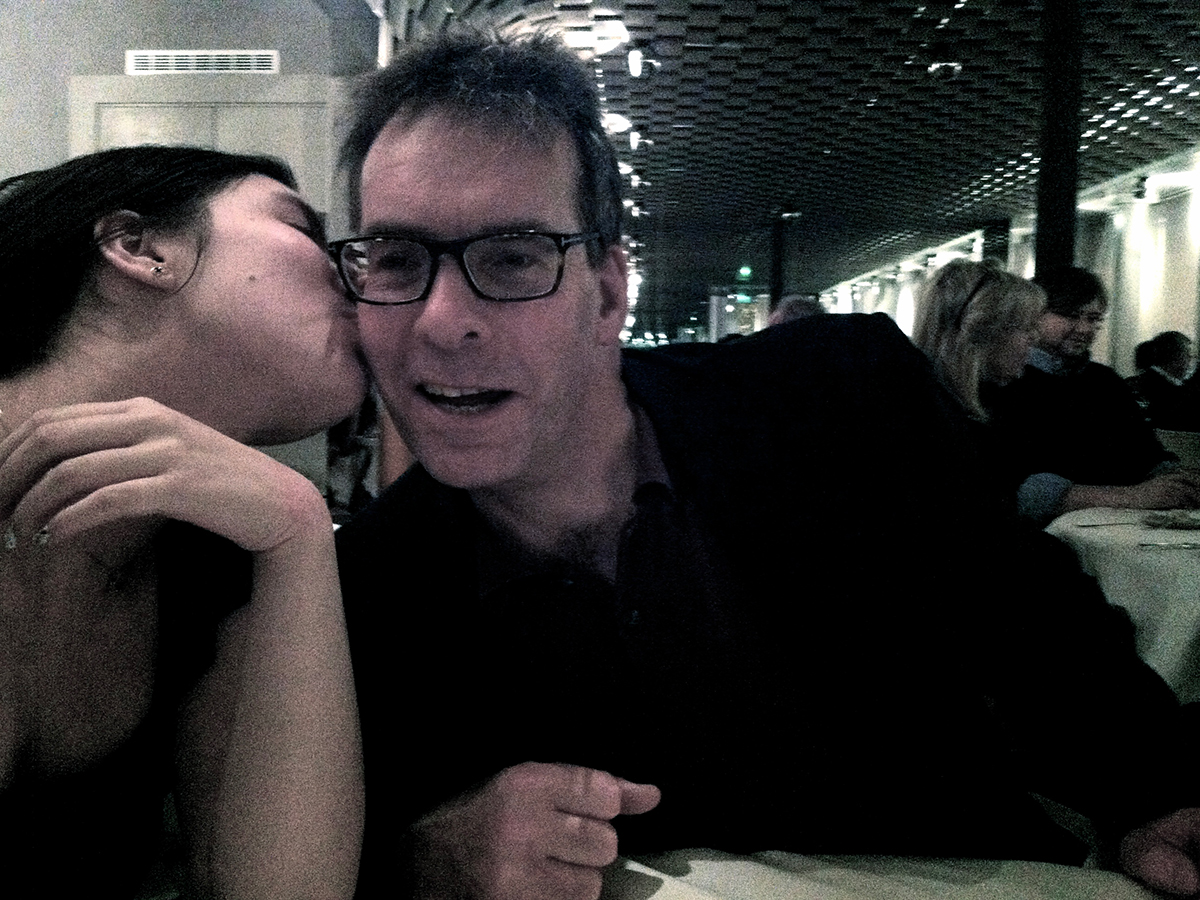
Youngblood was born in Genoa, Italy, to parents who met in Heidelberg (the German city, not the popular lunch spot across the street from the School of Journalism). Liu was born in Ohio to Chinese immigrants. Unsurprisingly, the family became fond of globetrotting, particularly in Europe.
And though the fellowship’s emphasis on long-term projects honor’s Youngblood’s meticulous nature, it also feels like a nod to his own long-term relationship with the School of Journalism. He first enrolled in graduate school in the 1980s, working at community institution Shakespeare’s Pizza and living in the same camper van his father had taken to graduate school at Ohio State decades earlier.
A job opportunity, however, motivated him to take a break from school. The break would last until 2015, when he finally finished his master’s degree in journalism remotely. In the interim, he held a succession of editing positions at Washington, D.C.’s Insight Magazine and The Baltimore Sun (where he met Liu, also an editor) before embarking on an international career that saw stints at Radio Free Europe, the International Herald Tribune and ultimately the International Energy Agency, where he worked as a senior press officer and writer.
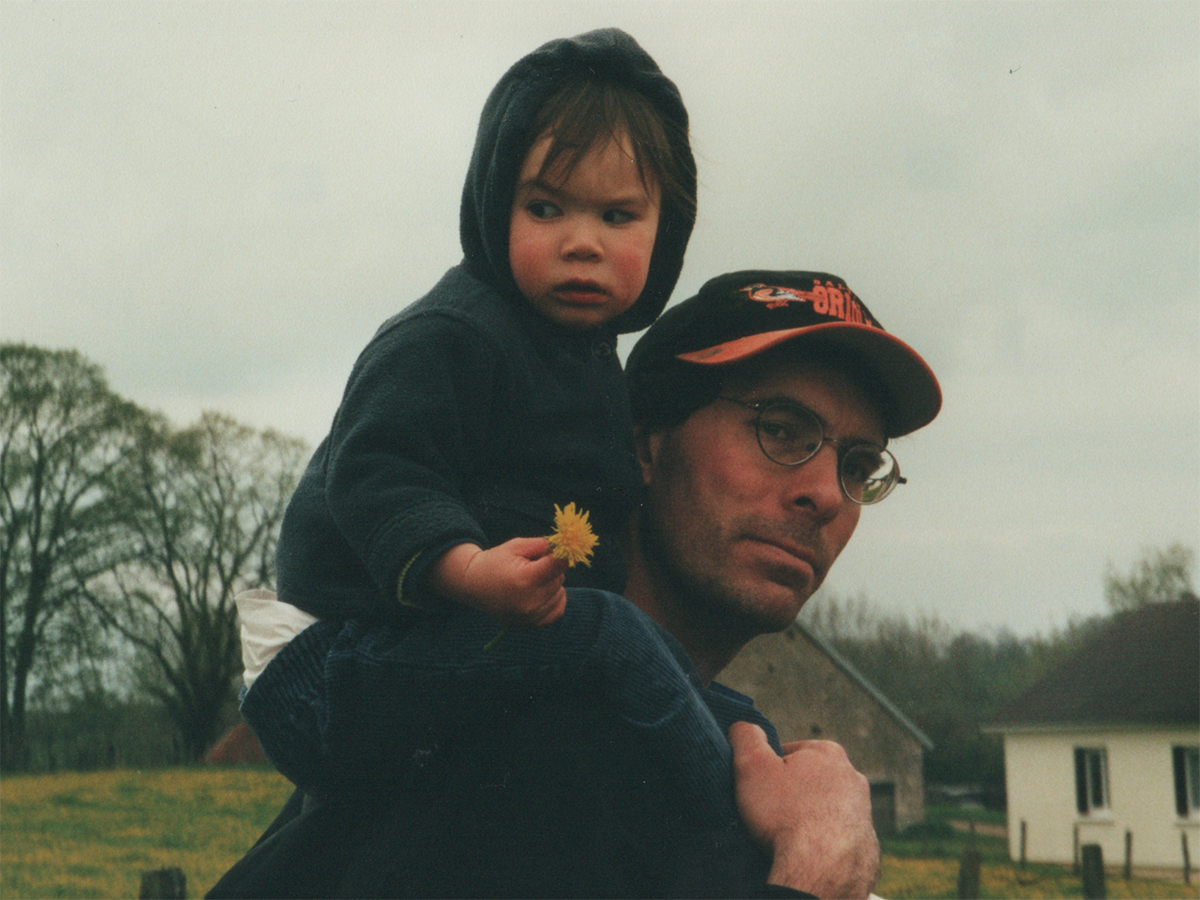
What he brought to those roles — aside from a penchant for referring to himself ruefully as a “grad school dropout” — was a sense of skepticism rooted in a desire to find the truth.
“That’s a basic journalistic instinct he had that was like, ‘just because they’re presenting it this way doesn’t mean it’s right,’” Liu said. “‘I’m going to sit with it and feel around it … if it’s not right, I’m going to say something. I’m going to do something about it.’”
Henry added that the School of Journalism built on that instinct to help shape a man who held the process of analyzing and verifying facts in high esteem.
“He credited the values of the J-School for instilling those values of independent verification, getting a full picture of the facts and being able to paint a picture for yourself,” he said. “The ethos came from there. He was always complimentary because the J-School shone as a bastion of critical thinking.”
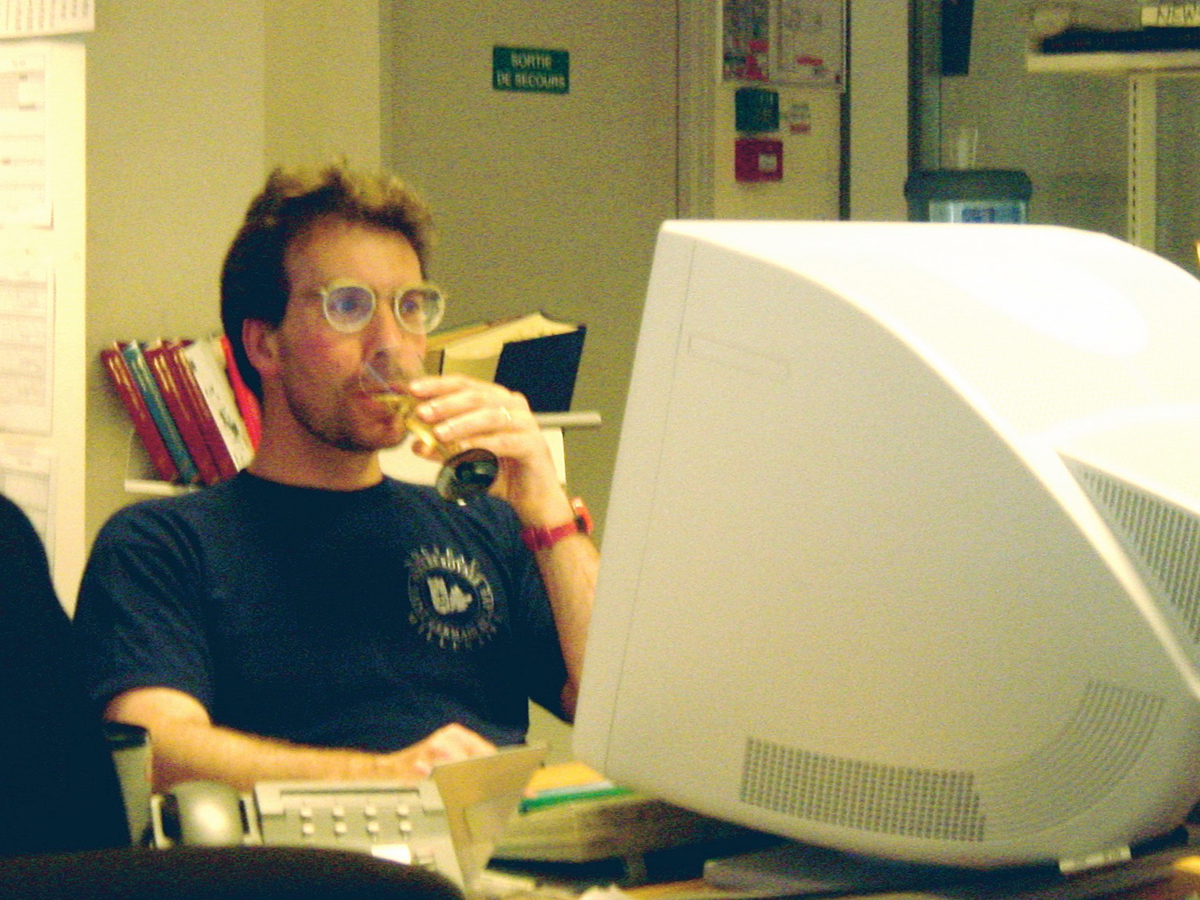
At home, Youngblood cultivated that same inquisitive mindset in his children. And as his firstborn son Ruihai recalls, the passion for ensuring kids received a strong education didn’t stop at home. Nor, indeed, did it stop with his own children.
“I think our dad was one of the first homeroom dads in our school,” Ruihai said. “That’s my distinct memory — it was all moms at PTA organizations except him. And then he was on the school board. I thought it was because we were in this school and getting our education there, but I think he continued doing it long after. He was deeply committed to making sure other people were getting a good education.”
Now, as Zai embarks on her journey as the first Youngblood Fellow, she is the latest beneficiary of that commitment.
The meaning and history of the name attached to the fellowship are not lost on her; along with Lucas, she met the family earlier this year in Baltimore, where she forged a connection with the people behind the fellowship.
“To be able to meet this family in person and connect with them so personally, to see how passionate they are, it was really endearing,” Zai said. “It wasn’t just Robert’s wife and kids. It was also his parents. Everyone was really appreciative that I would get to do some important work throughout the year in Robert’s name. I felt really emotionally connected to the family.”
Updated: September 3, 2026